
As the year ends, it presents a valuable opportunity to take stock of your digital marketing performance. Reflecting on the successes and challenges of the past year is essential for paving the way for future growth. So, how do you begin this necessary process?
The key lies in harnessing the power of your data. Over the last year, you’ve likely gathered a wealth of information about your audience. You have also understood their behaviors and the performance of your marketing campaigns. This data is not just numbers; it tells a story that can guide your strategy.
1. Review Your Performance Metrics

To effectively use this data, start by comprehensively analyzing your previous campaigns. Look at which channels drove the most traffic. Identify which messages resonated most with your audience. Determine where you saw the highest conversion rates. Identify any trends, patterns, or anomalies in the data that could inform your decisions.
Analyze key performance indicators (KPIs) from your campaigns, website, and social media channels.
- Website Traffic: Identify patterns in visitor behavior. Which pages performed best? What was your bounce rate?
- Conversion Rates: Pinpoint which campaigns drove the most conversions. Were there seasonal spikes?
- Ad Performance: Review your paid media ROI. Which platforms delivered the highest engagement?
👉 Pro Tip: Compare year-over-year data to spot trends and see how your performance evolved.
2. Identify Your Audience Insights

Next, consider your target audience. Analyze demographic data to understand your audience. Look at user engagement metrics. Use customer feedback to refine this understanding. Determine who your audience is and what they want. This insight will allow you to tailor your messaging and offers to meet their needs better.
Understanding your audience is crucial. Use tools like Google Analytics, Facebook Insights, or CRM data to uncover:
- Demographics: Who are your top buyers?
- Behavior: What devices do they use? When are they most active?
- Interests: What types of content resonate most with them?
These insights help you create hyper-targeted campaigns that speak directly to your audience.
3. Assess Your Content Performance

Analyzing data can uncover valuable insights into which content formats have gained the most engagement. These formats include videos, blog posts, infographics, or podcasts. It also identifies specific topics that have captured interest from your audience. By closely examining metrics like views, shares, comments, and click-through rates, you can identify the themes and styles. These resonate deeply with your followers. This understanding allows you to tailor future content strategies to better meet their preferences and enhance overall engagement.
- Top-Performing Content: Blog posts, videos, or infographics that gained traction.
- Engagement Metrics: Shares, comments, and likes on social media posts.
- Email Analytics: Open rates, click-through rates, and conversion rates.
Use this information to replicate success and refine your content calendar for 2025.
4. Evaluate Your Competitors

Competitor analysis plays a crucial role in shaping effective strategies for any business. By evaluating the strengths and weaknesses of your competitors, you can identify opportunities for growth and improvement in your operations. Utilizing sophisticated tools like SEMrush or Ahrefs can significantly enhance this process. These platforms offer valuable insights into your competitors’ online presence, including keyword rankings, backlinks, and site traffic.
In addition, they allow you to analyze competitors’ content strategies, PPC campaigns, and social media engagement. This provides a comprehensive view of how they attract and retain customers. Understanding these elements can help you refine your marketing strategies. It can also help optimize your website for better visibility. Additionally, it uncovers new market trends that can give you a competitive edge. Ultimately, a robust competitor analysis informs your tactics. It also helps you position your brand more effectively in the market.
- Keyword Rankings: What terms are they dominating?
- Ad Strategies: Which platforms and formats are they using?
- Content Gaps: Where can you outshine them with unique value?
Benchmarking against competitors ensures your strategy remains competitive.
5. Set Data-Driven Goals

Moreover, based on your findings, set specific, measurable goals for the upcoming year. Whether you aim to increase brand awareness, drive more traffic, or boost sales, you need clear objectives. They will help you create a focused strategy. This will make your approach results-driven.
- SMART Goals: Specific, Measurable, Achievable, Relevant, and Time-bound objectives.
- Example: Increase website traffic by 20% in Q1 through SEO optimizations and targeted campaigns.
Data-driven goals ensure that every effort aligns with your business objectives. This gives you the confidence that you’re on the right track.
6. Embrace Predictive Analytics
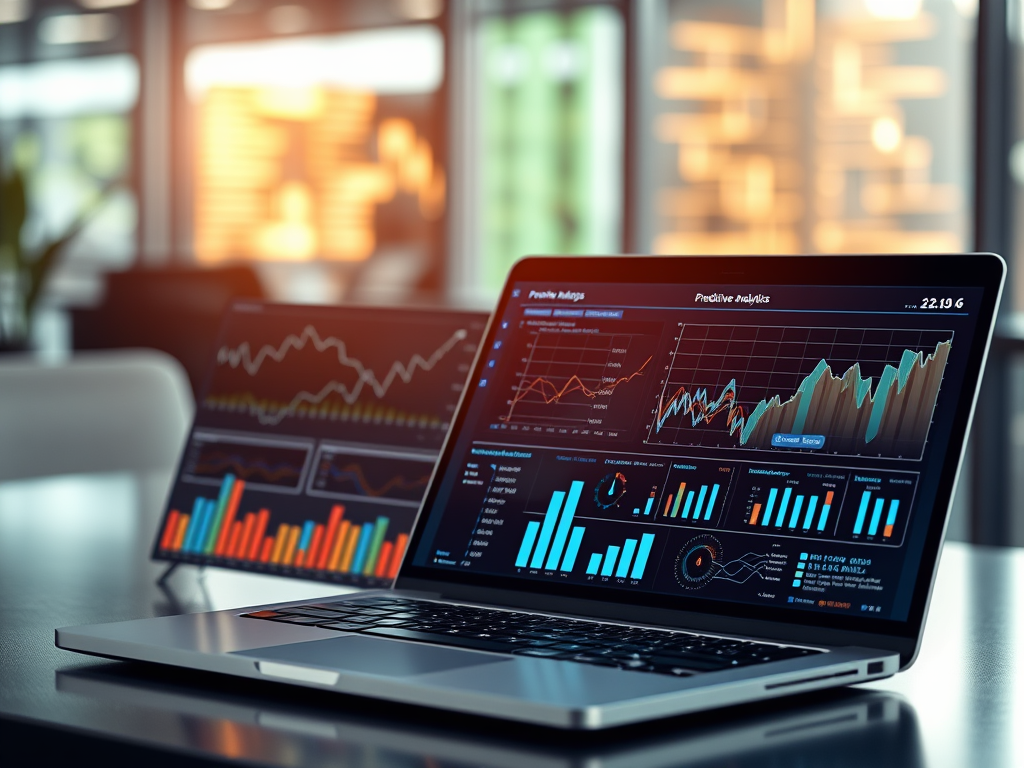
Advanced tools, like predictive analytics, use historical data to recognize patterns and trends. These tools allow organizations to forecast future outcomes with a higher degree of accuracy. By analyzing past behaviors and events, these tools can offer insights that help businesses make informed decisions. They help predict market shifts and enhance strategies for growth and efficiency. Predictive analytics uses sophisticated algorithms and statistical techniques. They transform raw data into valuable projections. These projections guide strategic planning and risk management.
- Predict customer behavior to create tailored marketing campaigns.
- Predict seasonal demand to assign budgets effectively.
- Refine targeting to reach high-potential segments.
Predictive analytics can transform your strategy from reactive to proactive.
7. Test and Optimize Continuously

Data-driven marketing doesn’t go beyond the initial planning stage; it involves ongoing assessment and fine-tuning. To ensure the effectiveness of marketing strategies, businesses must continually analyze performance metrics, gather consumer insights, and adapt their tactics. This process of constant refinement allows marketers to respond to changing market conditions. It helps enhance customer engagement. Ultimately, it drives better results over time.
- A/B Testing: Experiment with headlines, CTAs, or visuals to find the most effective combinations.
- Performance Monitoring: Use dashboards to track progress in real-time.
- Iterative Improvements: Make data-backed adjustments to campaigns throughout the isn’t
Finally, don’t forget that it’s agile. The digital marketing landscape is ever-evolving. It’s crucial to remain flexible and ready to adapt your strategy. Adjust your approach as new data emerges throughout the year. You can maximize your results and effectively navigate the challenges ahead by continually monitoring performance and adjusting your tactics.

In summary, use the insights gained from your data over the past year. This is a powerful way to influence your strategy. This data can significantly affect your digital marketing. This approach will help shape your plans for the coming year. When you know what has worked and what hasn’t, you are prepared. Understanding audience behavior equips you to create a successful plan. This plan should drive results and help you achieve your business goals.
Let data serve as your guiding compass as you set your sights on the upcoming year. Embrace the profound power of insights derived from comprehensive analysis to formulate a robust strategy. By leveraging these insights, you can make informed decisions to propel your business toward sustained success and growth throughout 2025. Harnessing data enhances your understanding of market trends and consumer behaviors and helps you identify opportunities for innovation and improvement. This strategic approach will enable you to navigate challenges effectively and position your organization for a prosperous year.
 Remote Digital Marketing Pro