
The digital marketing landscape is constantly evolving. Rapid technological advancements drive this evolution. Changing consumer preferences also play a crucial role. Additionally, there is an increasing need for creative marketing strategies. As we begin 2025, various emerging trends are poised to redefine marketing. Embracing these trends will empower marketers to forge deeper connections with their audiences. More meaningful interactions will result. These strategies will drive significant results in an ever-competitive market. Staying ahead of these developments is essential for anyone aiming to excel in the dynamic world of digital marketing.
1. AI-Powered Personalization

In 2025, artificial intelligence is set to transform digital marketing. It will fundamentally reshape how businesses engage with their customers. The technology’s capacity for hyper-personalization is particularly noteworthy, as it enables brands to predict consumer behaviors with remarkable accuracy. AI analyzes vast amounts of data, from browsing habits to past buying history. It can generate real-time, tailored recommendations that deeply resonate with individual preferences.
This advancement allows marketers to connect meaningfully with their audiences across various touchpoints. Personalized email campaigns can use AI algorithms. These campaigns send messages that greet the recipient by name. They suggest products and offers perfectly aligned with their interests. Additionally, dynamic website content powered by AI can change based on the visitor’s behavior. It can also adapt to their preferences. This ensures that each user has a unique browsing experience. The experience feels custom-made for them.
Integrating AI into digital marketing strategies enables a two-way conversation. Brands can engage effectively with their customers. This fosters loyalty and drives conversions like never before. The potential to create such intimate connections with audiences is exciting. It offers a new frontier for marketers looking to enhance their outreach. They aim to make a significant impact in an increasingly competitive landscape.
Key Takeaway: Focus on integrating AI tools that enhance Personalization across multiple touchpoints. Businesses can leverage advanced algorithms and data analytics. This helps create more meaningful connections with their audiences. It also improves customer satisfaction and loyalty.
2. Short-Form Video Content

Short-form videos have emerged as a transformative force in digital marketing. They have gained significant traction through platforms such as TikTok, Instagram Reels, and YouTube Shorts. These brief video formats typically last from a few seconds to a minute. They are more than just a passing trend. They have become an essential tool for compelling brand storytelling.
Short-form videos are concise and visually engaging. They cater perfectly to the modern, fast-paced lifestyle of today’s audiences. These audiences often find themselves pressed for time. This format helps brands convey their messages quickly and memorably. It makes it easier to capture attention and retain viewer interest in just seconds.
Moreover, short-form videos can enhance audience engagement through their dynamic and entertaining approach, encouraging shares, likes, and comments. Brands can showcase their products or services creatively. They can tell compelling stories and connect with consumers on a personal level. These efforts increase their reach and foster a sense of community.
In a digital landscape where attention spans are diminishing, utilizing short-form videos strategically can provide brands with a competitive edge. This allows them to resonate with their target audiences more effectively.
One key takeaway for 2025 is the importance of creating authentic, visually captivating videos that highlight your brand’s personality. This is a strategy that will continue to resonate with audiences in the digital marketing landscape.
3. Social Media Commerce
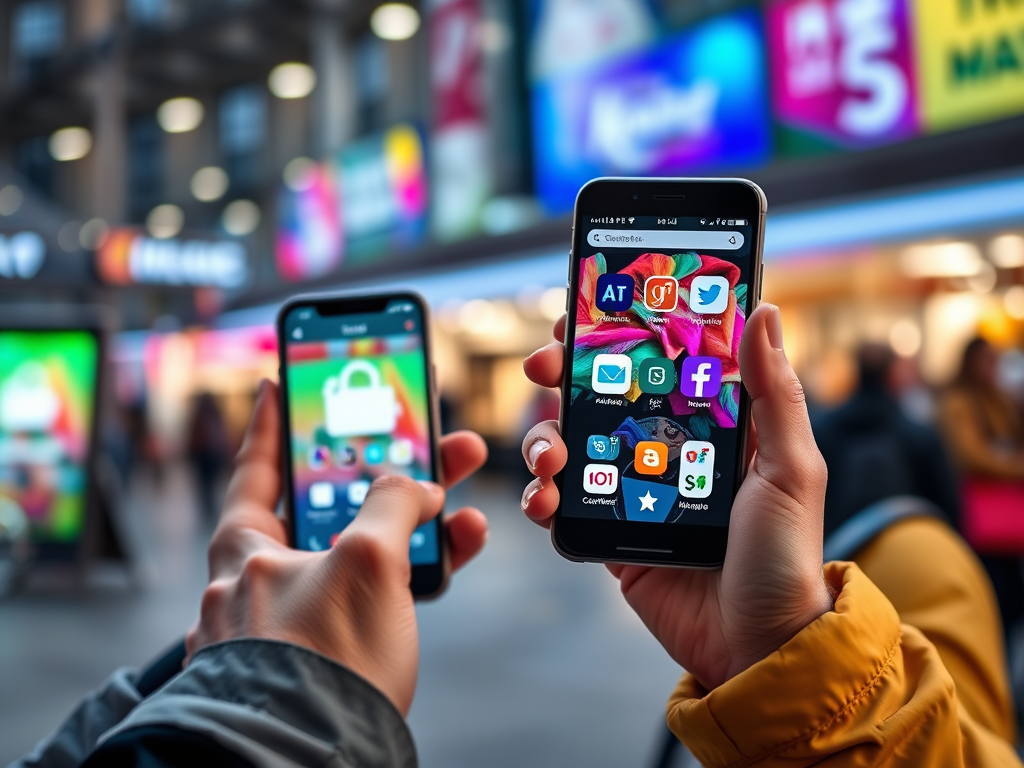
Social media platforms are increasingly evolving into integrated shopping experiences that transform how consumers interact with brands. Shoppable posts allow users to directly purchase products by clicking on images within their feeds. In-app purchase capabilities are also gaining traction among users. Additionally, livestream shopping events are becoming more popular. They allow influencers and brands to showcase products in real time. These events engage the audience through live chats and instant purchasing options. This trend is steadily blurring the lines between social networking and e-commerce. It creates a seamless experience that combines entertainment with shopping. This approach simplifies product discovery for users. It makes purchasing more engaging without them ever leaving their social media apps. As these features continue to develop, they will reshape the online shopping landscape. They will encourage more brands to invest in social commerce strategies.
Key Takeaway: Optimize your social media profiles for seamless shopping experiences and collaborate with influencers to boost sales. Additionally, consider collaborating with influencers who align with your brand to expand your reach and credibility. You can significantly increase sales and build stronger relationships with potential customers by leveraging their audience.
4. Enhanced Data Privacy and Ethical Marketing

Consumers are increasingly prioritizing their privacy. They are becoming more aware of how their personal information is used. As a result, the data collection landscape is shifting significantly. Regulations are evolving to reflect these changes. Notable examples include the General Data Protection Regulation (GDPR) in Europe. Another is the California Consumer Privacy Act (CCPA) in the United States. These regulations place greater emphasis on the rights of individuals regarding their data. In this context, ethical data collection practices and transparency in handling consumer information are essential. They are not merely optional considerations. They have become essential elements in building and maintaining consumer trust.
For brands, adopting ethical marketing practices is crucial. This involves establishing clear and honest communication about data usage policies. It provides consumers insight into what information is collected. It explains how the information will be utilized. It also outlines the measures taken to protect their privacy. Furthermore, organizations that actively prioritize transparency will stand out. Cultivating a reputation for ethical behavior is also beneficial in an increasingly competitive marketplace.
Marketers who seek to foster lasting trust with consumers should strongly focus on these ethical marketing principles. By developing and implementing transparent data practices, brands can differentiate themselves. They can create a loyal customer base that appreciates and values their commitment to protecting consumer rights. Ultimately, the emphasis on ethical data collection is not just about compliance. It is about building a trustworthy relationship with consumers in a rapidly changing digital landscape.
Key Takeaway: Build consumer trust through ethical marketing practices and transparent data usage policies. Businesses should focus on clarity in their communication. They need to give consumers with easily accessible information about their data rights. It’s also essential to explain how personal information is protected. By consistently demonstrating integrity and respect for consumer autonomy, brands can build long-lasting relationships and loyalty with their audience.
5. Voice and Visual Search Optimization

The rise of smart devices and visual search tools like Google Lens is changing how users search for information. Optimizing for voice and image-based searches will be critical for staying relevant. Consumers increasingly rely on their mobile devices and innovative technology to perform searches. Therefore, there is a growing emphasis on optimizing content for voice and image-based queries. This shift means businesses need to enhance their online presence. Content creators must also adapt to these new search modalities. Voice and visual searches are becoming more commonplace. It is crucial to ensure that information is easily accessible for these formats. Correct indexing for these formats will maintain relevance and competitiveness in the digital landscape. Failing to do so could mean missing out on a significant portion of potential traffic and engagement. Therefore, it’s essential to understand these trends and integrate appropriate strategies into marketing efforts.
Key Takeaway: Use conversational keywords and image-rich content to make your brand discoverable in non-textual searches. This approach enables you to align your content with how potential customers naturally search for information. Incorporating these keywords helps ensure that your messages resonate with your audience in a more relatable manner.
Additionally, it’s vital to integrate image-rich content into your strategy. Visual elements capture attention. They play a significant role in search algorithms, especially on platforms with prevalent visual search capabilities. Combining engaging visuals with conversational language can significantly increase your brand’s discoverability and create a more immersive experience for users.
6. Advanced Audience Targeting

With AI and machine learning advancements, audience targeting will become more precise. Predictive analytics and segmentation tools will help marketers reach the right audience with the right message at the right time. Segmentation tools will offer deeper insights into different consumer segments, allowing marketers to tailor their approach effectively. This means that businesses can deliver highly personalized messages. These messages resonate with specific audience groups. This ensures the right content reaches the right individuals at the optimal time. By leveraging these sophisticated technologies, marketers can enhance engagement and drive conversions more efficiently.
Key Takeaway: Explore AI tools for granular audience segmentation. These tools will allow you to categorize your target market based on a wide range of criteria. This includes demographics, behaviors, and preferences. Additionally, use these technologies to gain real-time insights that inform your strategies. This approach helps you respond quickly to changing consumer trends. It also improves your marketing effectiveness.
7. Sustainability and Purpose-Driven Marketing

Consumers are increasingly choosing brands that align with their values. In 2025, expect a rise in campaigns centered around sustainability, diversity, and corporate social responsibility. Companies will prioritize transparent communication. They will address their environmental initiatives, social equity efforts, and ethical practices. Their aim is to forge deeper connections with consumers who prioritize these critical issues in their purchasing decisions. As a result, brands that authentically integrate these values into their core strategies enhance customer loyalty. They can gain a competitive edge in the marketplace.
Key Takeaway: Showcase your brand’s commitment to making a positive impact through transparent, value-driven messaging. Communicating how your actions align with these values is important, demonstrating the tangible benefits to your community and stakeholders. Doing so builds trust and credibility, inviting your audience to engage with and support your mission.
8. Interactive and Immersive Content

Interactive formats like quizzes, polls, and augmented reality (AR) experiences will captivate audiences and boost engagement. These formats encourage participation and create memorable brand interactions. Quizzes can challenge knowledge and stimulate curiosity, while polls encourage immediate feedback and opinions, creating community among participants.
Augmented reality experiences take engagement a step further. It immerses users in a digital world that blends seamlessly with their actual environment. This offers an interactive and memorable way to interact with a brand. By incorporating these dynamic formats, brands can foster deeper connections with their audiences. This results in unforgettable interactions. These interactions leave lasting impressions. Ultimately, leveraging these engaging tools can increase brand loyalty and a more involved customer base.
Key Takeaway: Experiment with AR filters, interactive videos, and gamified content to engage users creatively. Additionally, incorporating interactive videos can enhance viewer participation and make the experience more memorable. Finally, consider gamified content. It can introduce elements of competition and rewards. This approach motivates users to interact more actively with your brand. Integrating these innovative approaches can significantly enhance user engagement and create a more dynamic connection with your audience.
9. Connected TV (CTV) Advertising

More consumers are shifting to streaming platforms. As a result, Connected TV (CTV) advertising is becoming a staple for reaching audiences beyond traditional broadcast channels. CTV ads offer a unique advantage by allowing advanced targeting options. Advertisers can reach specific demographics and audiences based on their viewing habits. They can also target interests and even geographic locations. This level of precision not only enhances the relevance of the advertisements but also improves engagement rates. Additionally, CTV advertising facilitates measurable return on investment (ROI). Advertisers can track metrics such as impressions, clicks, and conversions. These metrics provide valuable insights into campaign performance. They help to optimize future advertising efforts. As a result, CTV is becoming an essential component of a comprehensive media strategy in the evolving digital advertising landscape.
Key Takeaway: Add CTV advertising to your media mix to expand your reach while leveraging precise targeting capabilities. CTV lets you target specific demographics and interests with precision, ensuring the right viewers see your ads. This approach maximizes the impact of your marketing efforts. It also allows you to engage with potential customers more meaningfully. By adding CTV advertising to your mix, you can take advantage of its growing popularity. You can deliver personalized content. This leads to better campaign performance and increased brand visibility.
10. Focus on Community Building

Consumers are increasingly attracted to brands that create and nurture authentic communities. This trend shows why it is important to establish environments where customers can come together. They can share their experiences and engage in meaningful conversations. Brands now develop various platforms. These include branded social media groups and specialized online forums. These platforms help facilitate interactions. By providing spaces where customers feel valued and connected, companies can foster loyalty and strengthen their relationships with consumers. In this context, prioritizing community-building initiatives enhances customer engagement. It cultivates a sense of belonging among users. As a result, they become more likely to advocate for the brand and contribute to its growth.
Key Takeaway: Focus on cultivating vibrant and engaged communities that foster deep loyalty and strong advocacy for your brand. Create spaces for meaningful interactions. Encourage open communication. Provide value through quality content and support. By doing this, you can strengthen the bond between your audience and your brand. These connections enhance customer satisfaction and inspire advocates who will promote your brand passionately, ultimately driving growth and sustained success.
Looking Ahead

Digital marketing evolves rapidly. It is increasingly crucial for businesses to stay informed about emerging trends. This knowledge helps maintain a competitive edge in the marketplace. In 2025, several key strategies are expected to shape the landscape of digital marketing.
First and foremost, Personalization will take center stage. Brands will use advanced data analytics. They will also employ AI-powered tools to create tailored experiences. These experiences will cater to individual consumer preferences, behaviors, and needs. This customization level will enhance customer satisfaction and drive loyalty as consumers feel more understood and valued.
Additionally, authenticity will emerge as a critical element in marketing efforts. Consumers are becoming more discerning and are seeking genuine connections with brands. In response, companies must prioritize transparency in their messaging and practices. They should showcase their core values. Companies need to be true to their brand identity. This will involve sharing real stories and user-generated content and engaging in two-way conversations with their audience.
Lastly, campaigns focused on building meaningful connections will gain prominence. Marketers will aim to foster deeper relationships with their customers. They will create community-driven initiatives. These will include purpose-driven marketing campaigns. The campaigns will resonate with their audience’s values and beliefs. Companies can create a sense of belonging and community. They will do this by aligning their brand’s mission with the social causes their customers care about. This alignment will strengthen brand affinity.
In summary, the strategies that define digital marketing in 2025 will focus on Personalization. They will emphasize authenticity. Establishing meaningful connections with consumers will also be crucial. Embracing these trends will be essential for businesses looking to thrive in an increasingly competitive environment.
Are you ready to embrace the future?
Let us know which trend excites you the most!
 Remote Digital Marketing Pro